My mother was raised being exposed to various kinds of music through her parents, and throughout my childhood, she ensured the same was true for me. In my earliest days, my life was filled with all kinds of music, from classical to rap, country, K-pop and more, I was no stranger to the nuances of each style. Having been exposed to so many different genres, I got the chance to develop my own taste in music very early on. More accurately, I learned to identify the songs that truly resonated with me. It was then that I discovered that my favorite songs were the ones that made me feel. So, naturally, Dolly Parton’s "Jolene" became a favorite of mine.
From the lyrics to the instrumentation, "Jolene" evokes a feeling of loss that I personally have not seen replicated in many songs. As is often true of Parton’s songs, the song itself is a story, a detail that made me connect with it even more as a child despite not fully understanding the premise. For years, I associated the song with horses, unable to explain how the idea came about until a conversation I had with my mother. She reminded me that, when I was younger, she told me that the song said “mare” rather than “man”, not wanting me to pick up on the meaning behind the lyrics. At four years old, I was an avid animal lover, and much more concerned with how the song sounded than the lyrics I was singing, so I believed her.
Though it took years before I realized what the story was truly about, I was still able to connect with the song because of the strength of the emotions. Dolly Parton had a unique ability to make the feelings in her songs tangible, which I would argue is one of the main reasons her music has been beloved by so many. Of the emotions Dolly portrayed, her primary choice was always love, as reflected in her philanthropic efforts. Such endeavors were especially focused on her home in Appalachia and the wider South, with Parton having donated $100,000 to the Union Medical Center just last year.
Beyond her musical repertoire and kindness, Parton also made an impact with the establishment of Dollywood in 1986. When Dolly Parton had acquired the park, it was named Silver Dollar City, having been on its third rebrand. Though the park was slowly becoming a regional attraction, Parton’s rebranding earned the amusement park even more attention, ultimately impacting the economy of her home for the better.
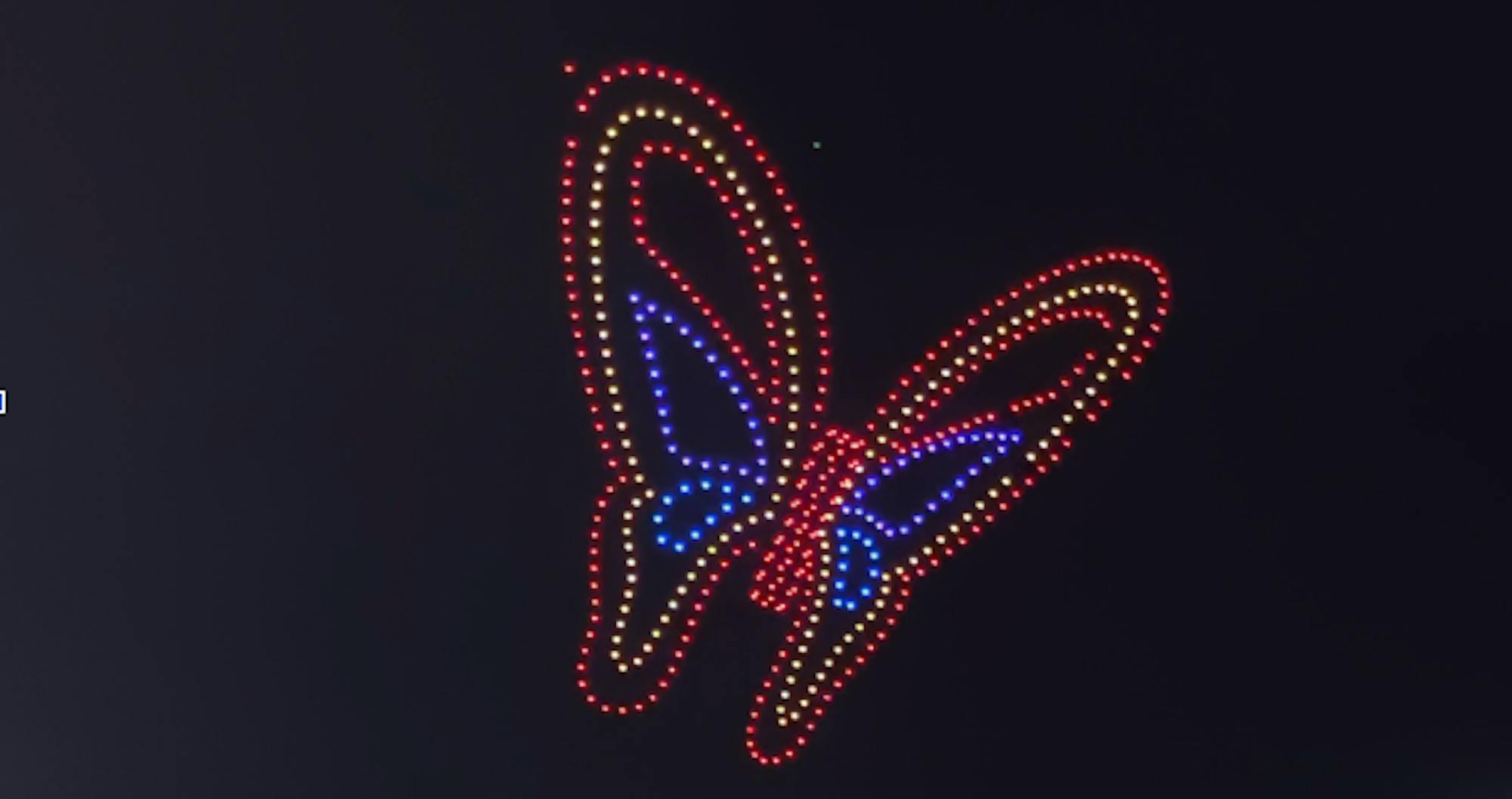
A few weeks before her passing, I got to visit Dollywood with a group of friends, enjoying one of the manifestations of Dolly’s legacy. Towards the end, there was a light show that ended off with a butterfly, a symbol that Dolly chose for herself. Feeling a connection to the bright and gentle qualities that butterflies bring into our world, Parton made it her symbol, exuding those same characteristics. In doing so, it reminded me of what I have always loved most about Dolly: her ability to lead with love.